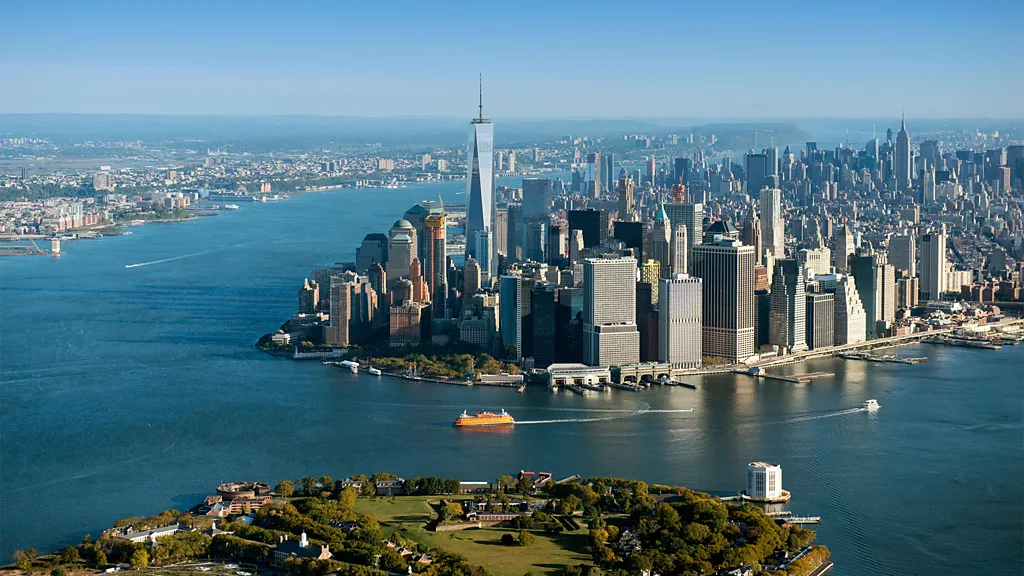
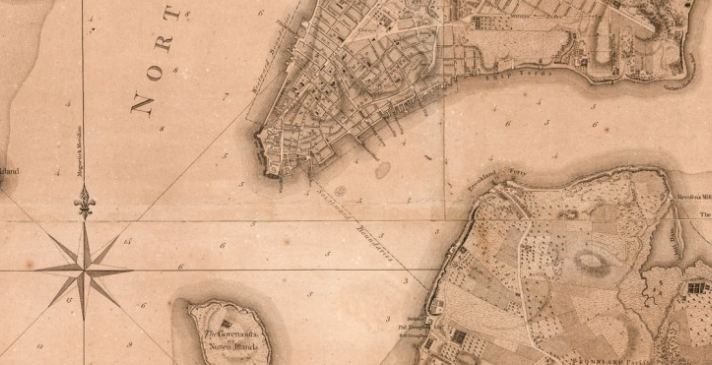
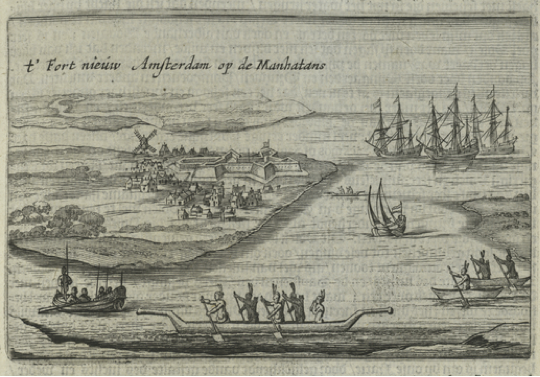
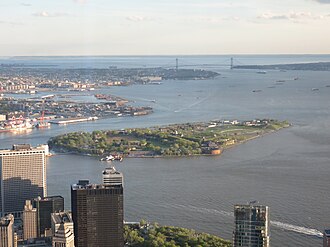
In 1624, the Dutch West India Company established a settlement on Governors Island, then known as Noten Eylandt (Nut Island), marking the beginning of European colonization. The Dutch built a fort and a sawmill, aiming to capitalize on the island's natural resources and strategic location in New York Harbor. However, this initial settlement was short-lived, as the Dutch shifted their focus to the larger island of Manhattan the following year, abandoning the initial outpost. This early phase, though brief, initiated the transformation of the island from a Lenape resource ground to a colonial possession, setting the stage for its subsequent role in the region's development.
Despite the initial abandonment, the Dutch retained a claim on Governors Island, recognizing its long-term potential. In 1637, Wouter Van Twiller, representing the Dutch West India Company, purportedly purchased the island from the Lenape for a small collection of tools and trinkets, a transaction that underscored the colonial power dynamics of the time. Shortly thereafter, the Dutch government seized the island, reserving it for public use and marking the beginning of its long history as a site of governance and military significance. The name "Noten Eylandt" persisted, a testament to the abundant nut trees that continued to characterize the landscape.
The Dutch presence on Governors Island, though relatively brief compared to later British and American periods, laid the foundation for its future development. The initial construction of a fort demonstrated its strategic value, while the act of "purchase" from the Lenape, however dubious, solidified Dutch claims. This period set the stage for the island's ongoing transformation from a natural landscape utilized by indigenous peoples into a strategic asset controlled by colonial powers, defining its role in the burgeoning colonial landscape of New York.

.png)